Why Everyone Is Obsessed With Protein (And What You're Missing)
Walk through any grocery store and count the protein. Protein bars, protein cereal, protein coffee, protein chips, and yes, donuts marketed as high-protein food. The message is loud: eat more protein. The question my co-host Dr. Keith Somers, a Pittsburgh pediatrician, and I brought to this episode is quieter: where did that message come from, and who is it actually for?
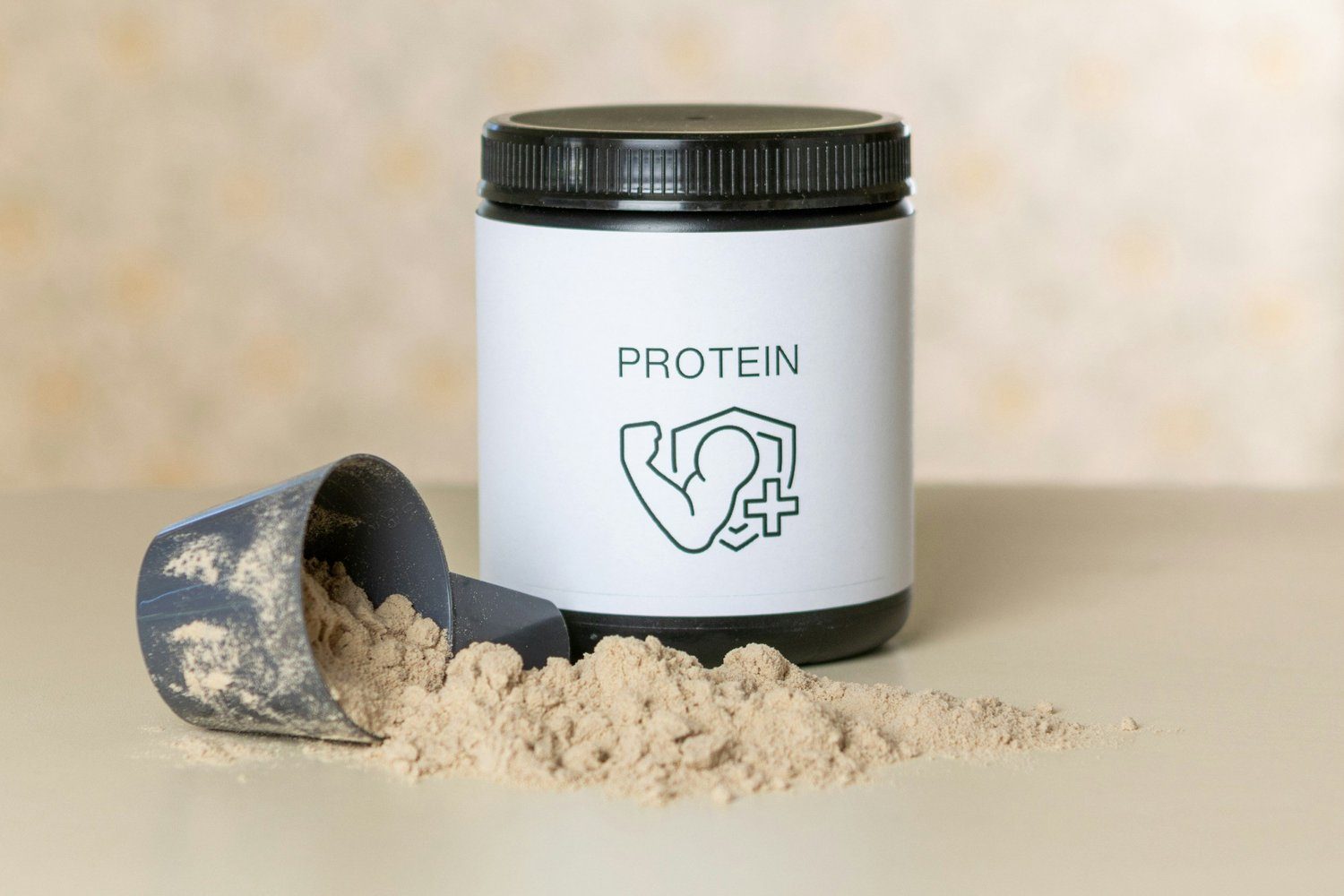
Because that second question changes everything. A teenager training for competitive sports has different needs than a middle-aged office worker. Someone recovering from surgery has different needs than a healthy adult. Nutrition has always been personal, and marketing has always delivered one message to everyone. When the same claim shows up everywhere, it starts to feel like everyone else knows something you do not. That feeling is the product.
Protein itself is not the villain. Our bodies rely on it to build and repair tissue, support muscle, and run countless functions. The trouble starts when one nutrient becomes the entire conversation, because the rest of health quietly falls off the table: fiber, fruits and vegetables, whole grains, healthy fats, hydration, sleep, movement, and the connection that happens around a shared meal. Real health is not one number on a label. It is the interaction of many daily choices.
The theme Keith and I kept returning to was simplicity, and Michael Pollan said it in seven words: eat food, not too much, mostly plants. Whole foods do not deliver protein alone; they carry fiber, vitamins, minerals, antioxidants, and compounds that work together. So instead of only asking how much protein something contains, try asking whether it is a whole food, whether it nourishes you, and how you feel after eating it. Those answers tell you more than the gram count.
Then there is the gut. The trillions of microorganisms in your digestive system influence digestion, immunity, metabolism, even mood, and a healthy microbiome is not built on protein alone. It thrives on variety: fiber-rich foods, produce, legumes, whole grains, minimally processed meals. Feed the system, not the statistic.
The real takeaway from this conversation was not about protein at all. It was about the difference between fear and awareness. Marketing runs on urgency, you are not getting enough, you are missing something. Awareness runs on curiosity: pause and ask whether the message even applies to your life.
Sometimes the most nourishing choice is not more protein. Sometimes it is returning to basics.
This week, flip one label in your cart. Skip the protein claim on the front and ask the whole-food question instead. Your gut, and your grocery bill, will notice.
Listen on Spotify · Watch on YouTube