Family Meals, Attention, and the Slow Disappearance of Shared Presence in Modern Life
There is a particular kind of silence in modern life. Not stillness, not peace. A distracted silence, the kind that settles over a room where everyone is present and no one fully is. A family at the same table, each person gone into a separate screen.
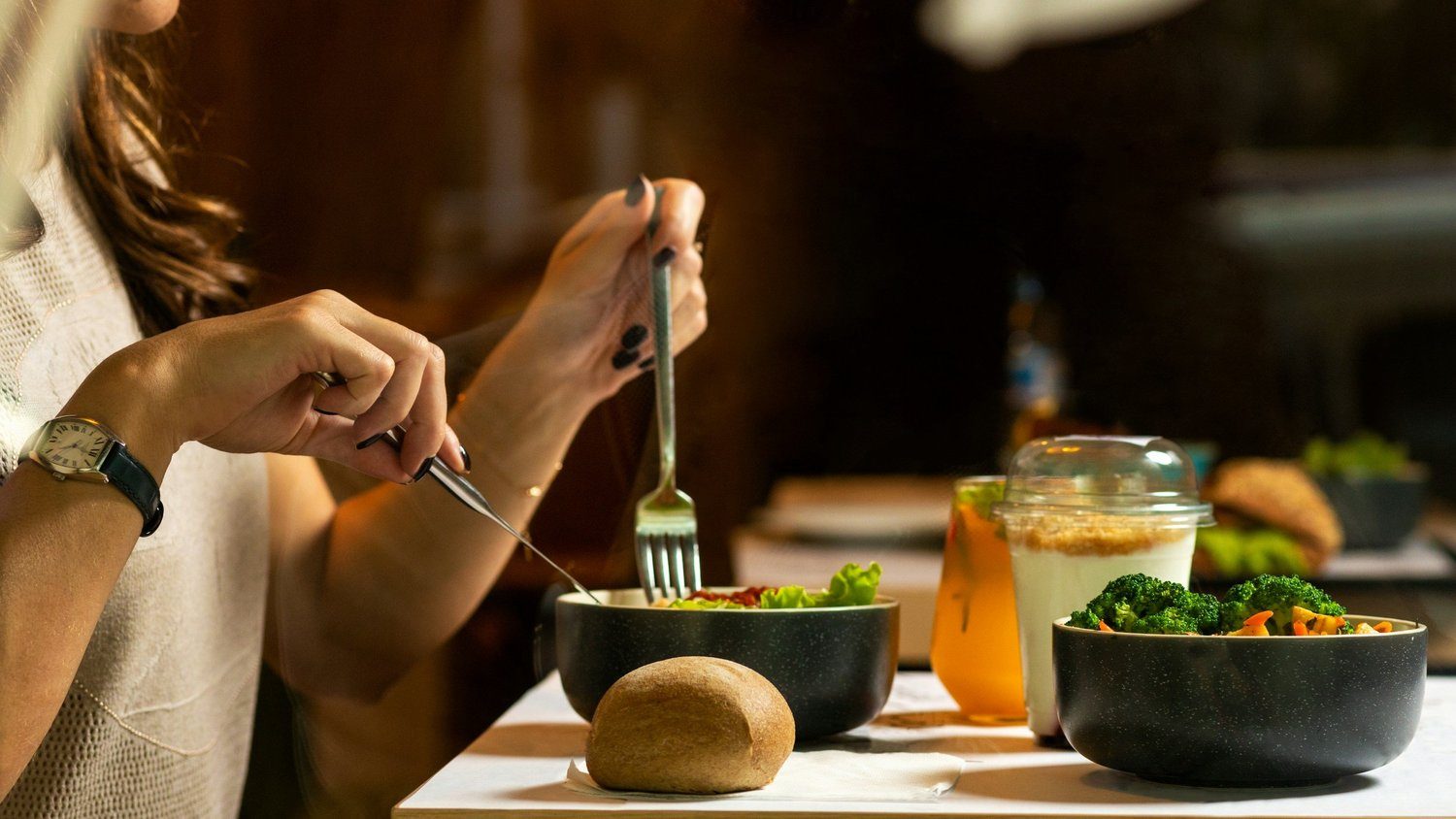
What strikes me most is that we never decided to do this. We drifted here. And when something drifts away quietly, we do not notice the absence until the effects show up somewhere else, in our attention spans, our relationships, our ability to sit still long enough to hear ourselves think. The family table sits right at the center of that drift. Not because dinner is sacred, but because shared meals once held together parts of life that have slowly come apart.
The idea from this conversation that stayed with me came from my co-host Dr. Keith Somers, a Pittsburgh pediatrician. Keith described the table as a place where people sync. It sounds simple until you sit with it. Very little of family life is verbal. Children absorb tension before they understand language; they read faces before they read books. The transmission is constant, and the table is where kids learn rhythm, listening, pausing, tolerating a silence, discovering that another person's perspective exists alongside their own. Not through instruction. Through repetition, over years. Those are foundational human skills, and they are increasingly endangered ones.
The erosion arrived disguised as convenience. The television moved from the family room to the bedroom to the kitchen to the pocket, and one shared experience became a thousand individualized feeds. This is not nostalgia; technology has let grandparents see grandchildren across oceans. But somewhere along the way, connection got conflated with access, convenience with freedom, exposure with understanding. And now many of us have unprecedented access to information while feeling deeply disconnected from each other.
Keith named the real danger: apathy. Overwhelm eventually convinces people that no effort matters. Against that current, a shared meal is a surprisingly practical act of resistance. Not because it solves everything, but because it restores something tangible, a rhythm, a recurring point of contact without performance.
And this is not another impossible standard. Life is complicated, schedules collide, families look different. Breakfast counts. Lunch counts. A weekend meal counts. Consistency matters more than perfection.
I keep coming back to the phrase I used in the episode: the table is a return point. Somewhere people come back to themselves and each other. We become what we repeatedly gather around.
This week, that can be as small as one meal without phones, or a breakfast that runs five minutes slower. The table was never just about food. It is where we learn to be human together.
Listen on Spotify · Watch on YouTube