When eating stops registering as sensation
Eating is not something we have stopped doing. It is something we have stopped feeling. We think about food constantly, measure it, optimize it, argue about it, and somewhere in all that language the body quietly stopped being the reference point. What used to be sensed is now analyzed.
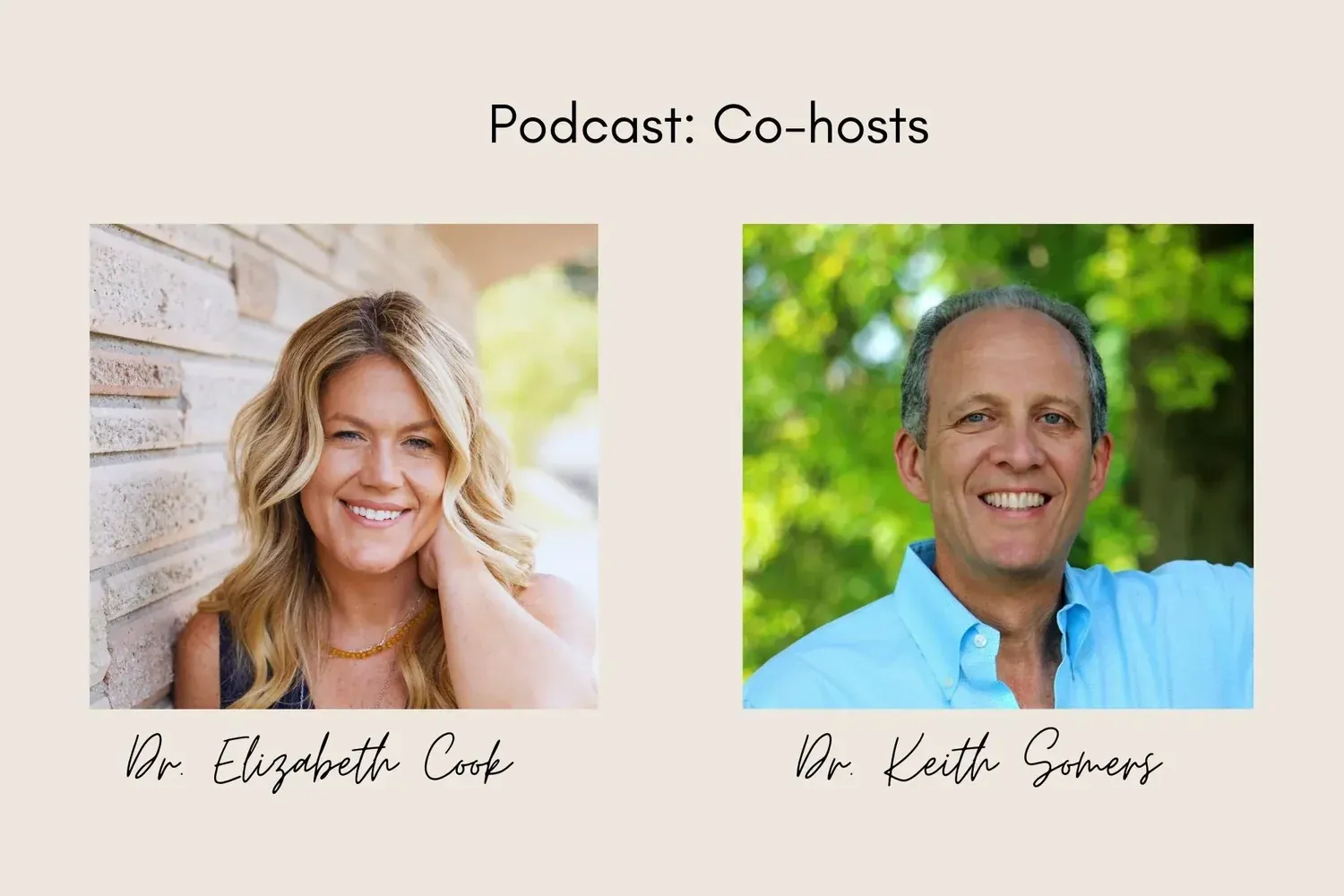
This conversation with my co-host Dr. Keith Somers, a Pittsburgh pediatrician, started with a simple question about how people eat today and kept finding that tension underneath. Nowhere is it heavier than in parenting. Feeding kids has become an exercise in correctness: what is enough, what is appropriate, what is healthy, what is missing. Those questions always existed, but they used to compete with more immediate things. Now they sit in the thinking mind, repeated and rarely resolved, and the result is fatigue. Cognitive fatigue around something that used to be ordinary.
The turn in the conversation came from something almost silly: crunch. Crunch is not just texture. It is feedback, one of the ways the body confirms contact with food. A smoothie can be nutritionally complete on paper and still be missing something in experience. Eating is layered, taste, smell, sight, and underneath all of it the body's internal sensing system, interoception, with the vagus nerve running the feedback loop between organs and brain. Hunger and fullness are not abstract ideas. They are physiological messages already happening beneath thought.
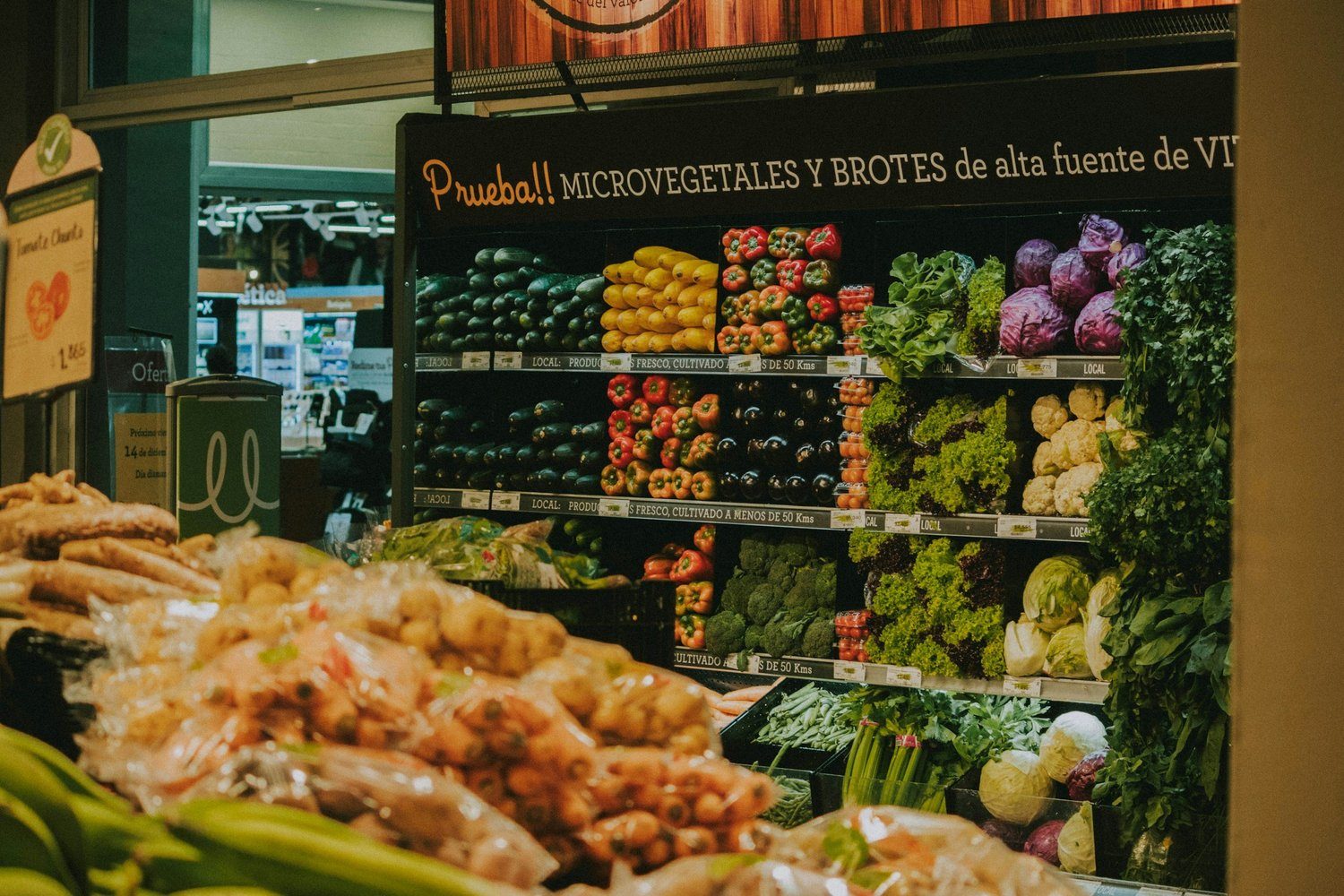
Which is what makes ultra-processed food interesting to look at honestly. These are not just different foods, they are systems designed to bypass part of the eating experience, pre-empting the sensory and digestive work before the food reaches the table. Not a moral judgment, an observation about design: some foods ask for participation, others reduce it. And in an affluent food system, many of us have quietly lost hunger as a clear signal, eating by schedule and availability instead. Even the produce carries this story, because bigger is not more nutrient-dense; soil health and crop diversity shape what arrives on the plate, invisibly.
The answer we landed on was deliberately small: notice, without overcorrecting. Notice the difference between an apple and something fast. Notice why fast food is pleasurable, and how fast it goes down. Notice without turning every observation into a rule.
With kids, modeling beats explaining. They are watching the pattern at the table, not parsing the lecture. Presence transmits more than translation.
So this week, one meal, one moment of attention. Crunch, taste, speed, fullness, as signals rather than concepts. The body still knows how to sense. Let it.
Watch on YouTube · Listen on Spotify