The Hidden Forces Shaping How We Eat
We treat the way we eat as personal choice. Look closer and most of the choosing happened before you ever made a decision.
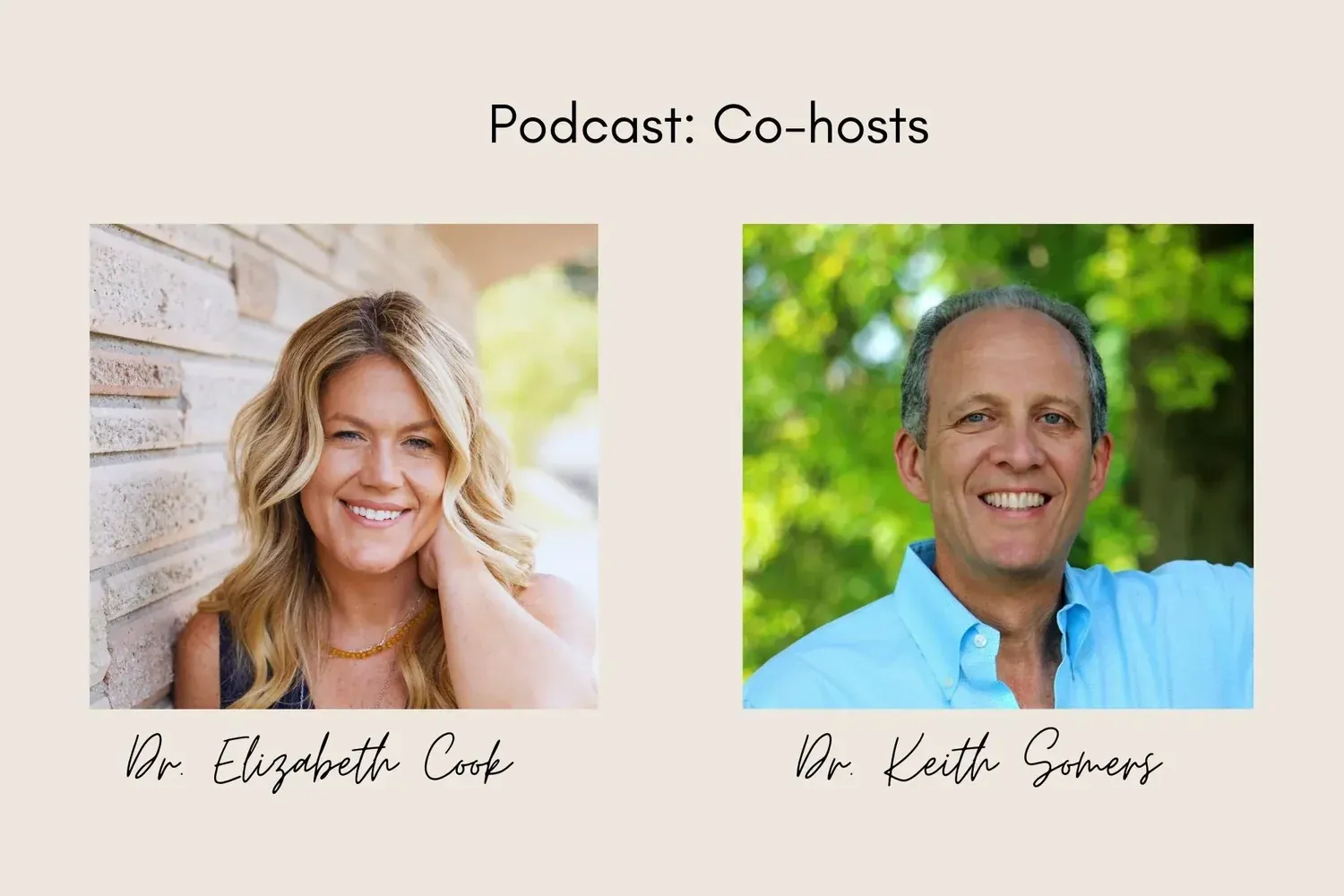
That was the spine of this conversation on Illuminating Being with my co-host Dr. Keith Somers, a Pittsburgh pediatrician: the modern food environment is designed, not accidental. It is fast, everywhere, engineered for taste and repeat consumption, and marketed constantly, all inside business models that have to balance profit against health. What we call choice is often just exposure, repetition, and convenience wearing a choice costume.
Not all of the influence comes from industry, though. Some of the strongest patterns come from home. Family tradition decides what foods feel normal, how meals are structured, whether eating is slow or rushed, and how food is emotionally experienced. Most of that was never actively chosen. It was inherited, and it runs below awareness until something interrupts it.
Awareness is the interruption.
The history explains a lot, and my engineer's eye enjoys this part: preservation and freezing changed access, large-scale manufacturing made food ubiquitous, marketing wired in emotional and sensory triggers, and convenience became a dominant value. Layer those over a go-go-go lifestyle and you get eating that is faster, more processed, and consumed while distracted. Meanwhile the design side keeps working the reward system, salt, sugar, and fat combinations, packaging, branding, memory cues, so certain foods are simply easier to crave.
Here is the piece I most want you to hold onto: when meals happen while multitasking, scrolling, or rushing between activities, the body loses its feedback loop. Hunger recognition, fullness, satisfaction, portion regulation, all of it dulls. That is not a failure of discipline. It is a reflection of environment. You cannot willpower your way through a system built to keep you from noticing.
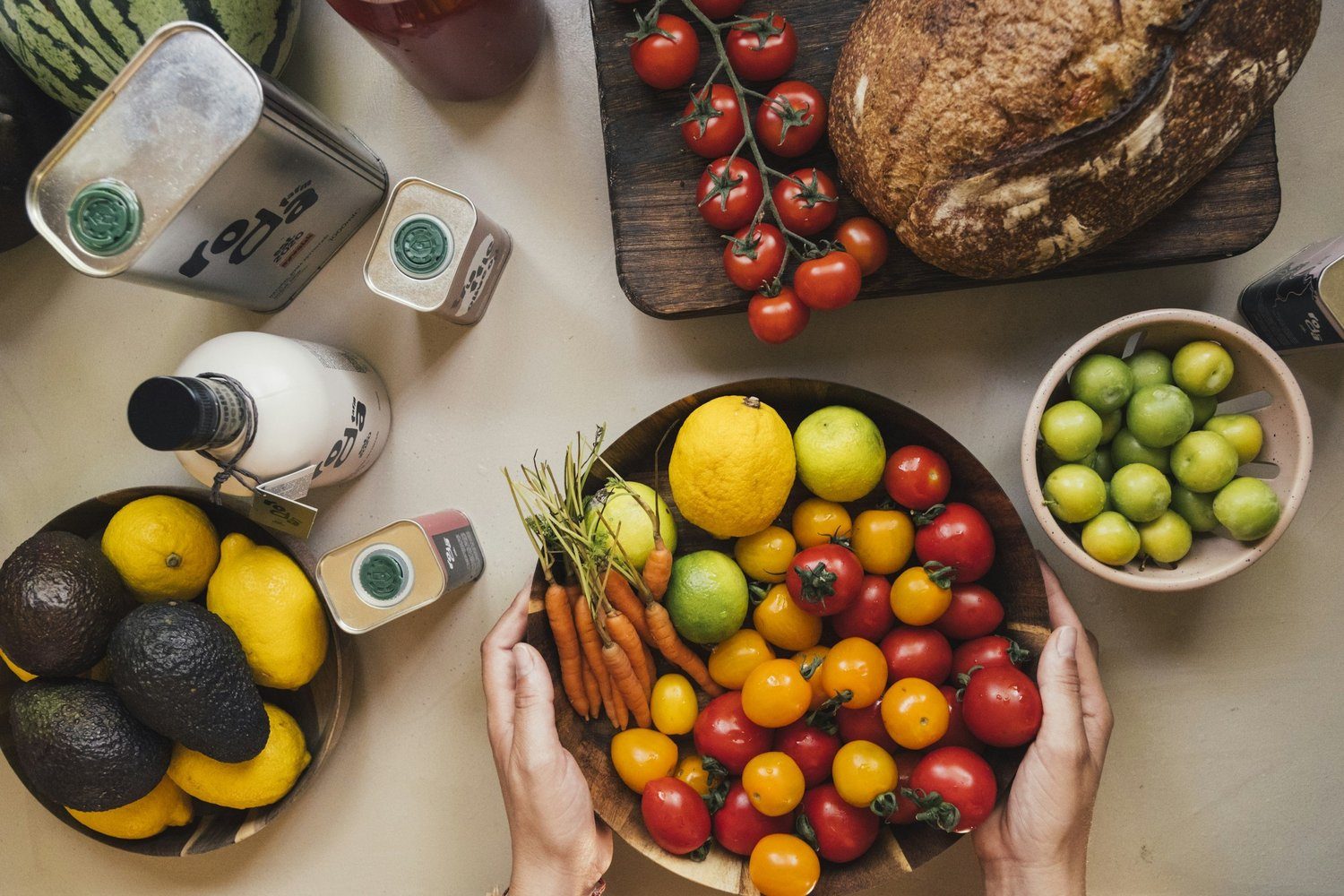
But you can notice. And the changes that follow do not need to be extreme, they need to be consistent. One meal a day without distraction. Simple meals from whole ingredients. Shared family meals when the schedule allows, because even in a busy household, eating together creates a pause in a system that never slows down. Family meals are communication, connection, and modeling, not just nutrition. Start with observation instead of judgment.
The goal is not perfection. It is presence.
This week, take one meal, put the phone in another room, and just pay attention to what hunger and fullness actually feel like. Not everything needs to change at once. But attention can.
Listen on Spotify · Watch on YouTube