You are What You Eat: Food is Nourishment and More
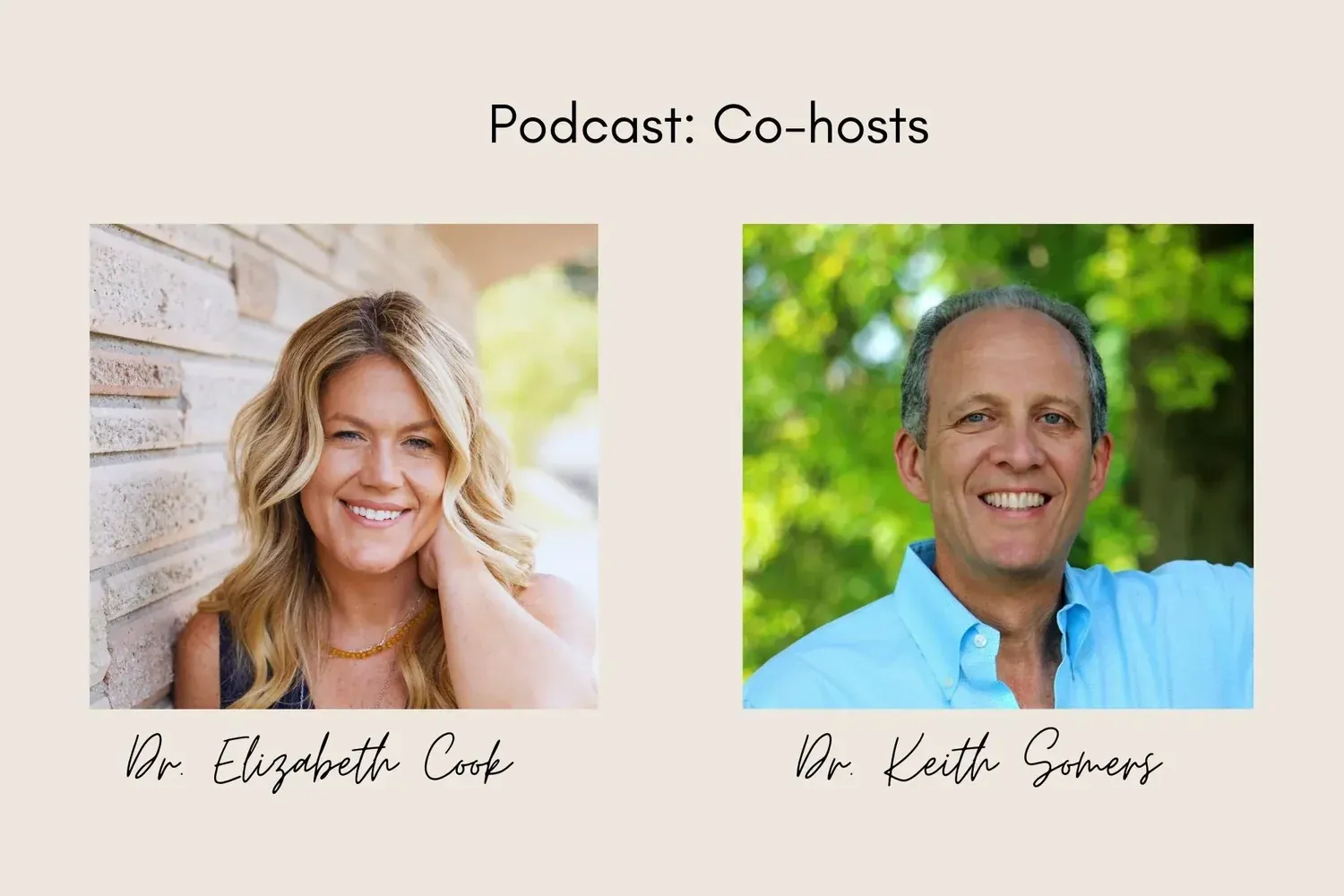
What does food is medicine actually mean at your table? I sat down with my co-host Dr. Keith Somers, a Pittsburgh pediatrician, to pull that phrase apart, especially through the lens of children, families, and long term health, and the honest answer is that most of us have never really paused on it.
The phrase sounds powerful, and that is exactly the problem. Oversimplified, it gets treated like a quick fix, as if eating a certain way will automatically solve everything. Health is not that simple. Food is not a prescription, and it is not a single intervention that fixes a single problem. It is one part of a much larger system that includes lifestyle, environment, habits, stress, and emotional wellbeing.
That is why I keep coming back to a different frame: food as nourishment, not a cure all. Food supports development, energy, focus, and growth. It matters enormously. But it does not operate in isolation, and it does not override every other input in a child's day. A kid's nervous system, mood, and behavior are shaped by routines and surroundings just as much as by what lands on the plate.
The theme Keith and I could not get away from was simplicity. Families are drowning in advice, rules, and trends about what to eat and what to avoid, while the food itself gets more processed and more marketed and further from its original form. Most people do not need more complexity. They need grounding. Real food matters. Whole food matters. Eating together matters. Old ideas, easily forgotten.
With children, the mechanism is observation. Kids learn food the way they learn everything, by watching what is offered, what we eat, and how we talk about it. Which is why I believe curiosity is more powerful than control. Instead of forcing or shaming, invite them into awareness: help them notice how different foods make them feel, and give them room to explore without pressure. Food becomes part of learning instead of behavior management.
And do not underestimate the table itself. Family meals and the conversation around them build emotional safety and rhythm. In many ways, the table is as important as the food.
So here is the gentle landing. You do not need to approach food with fear or extremes, and no meal has to be a clinical decision. Aim for awareness, consistency, and simplicity. Real food when possible, connection when you can.
Small, steady choices beat perfection. This week, ask one kid at your table how a food made them feel, and just listen.
Listen on Spotify · Watch on YouTube