The Whole Perspective on Food and Life
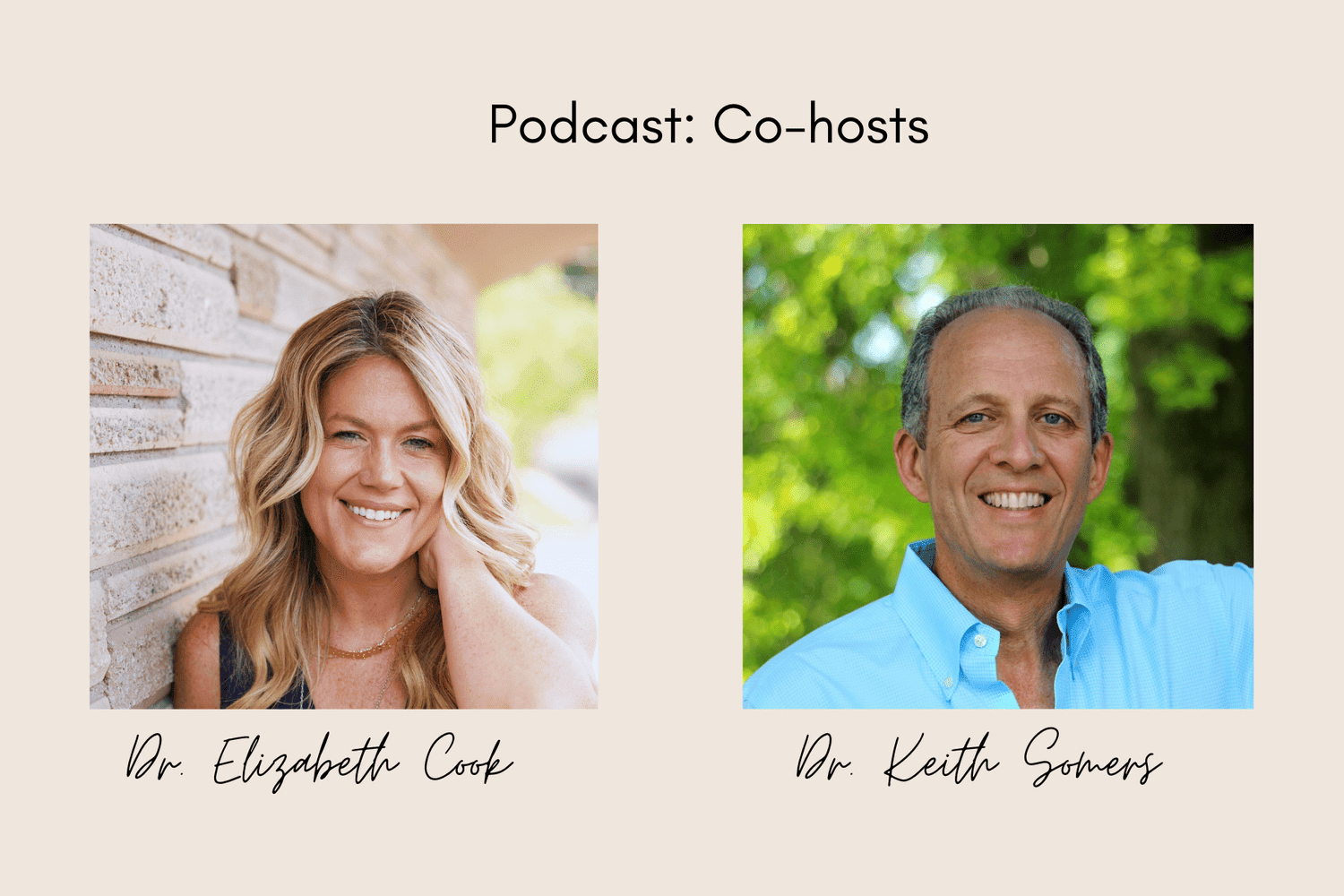
Whole by T. Colin Campbell, PhD is technically a nutrition book. What it actually argues is a philosophy, and that is what Dr. Keith Somers, a Pittsburgh pediatrician and my co-host, and I unpacked in this episode: what changes when you stop studying food in parts and start seeing it whole.
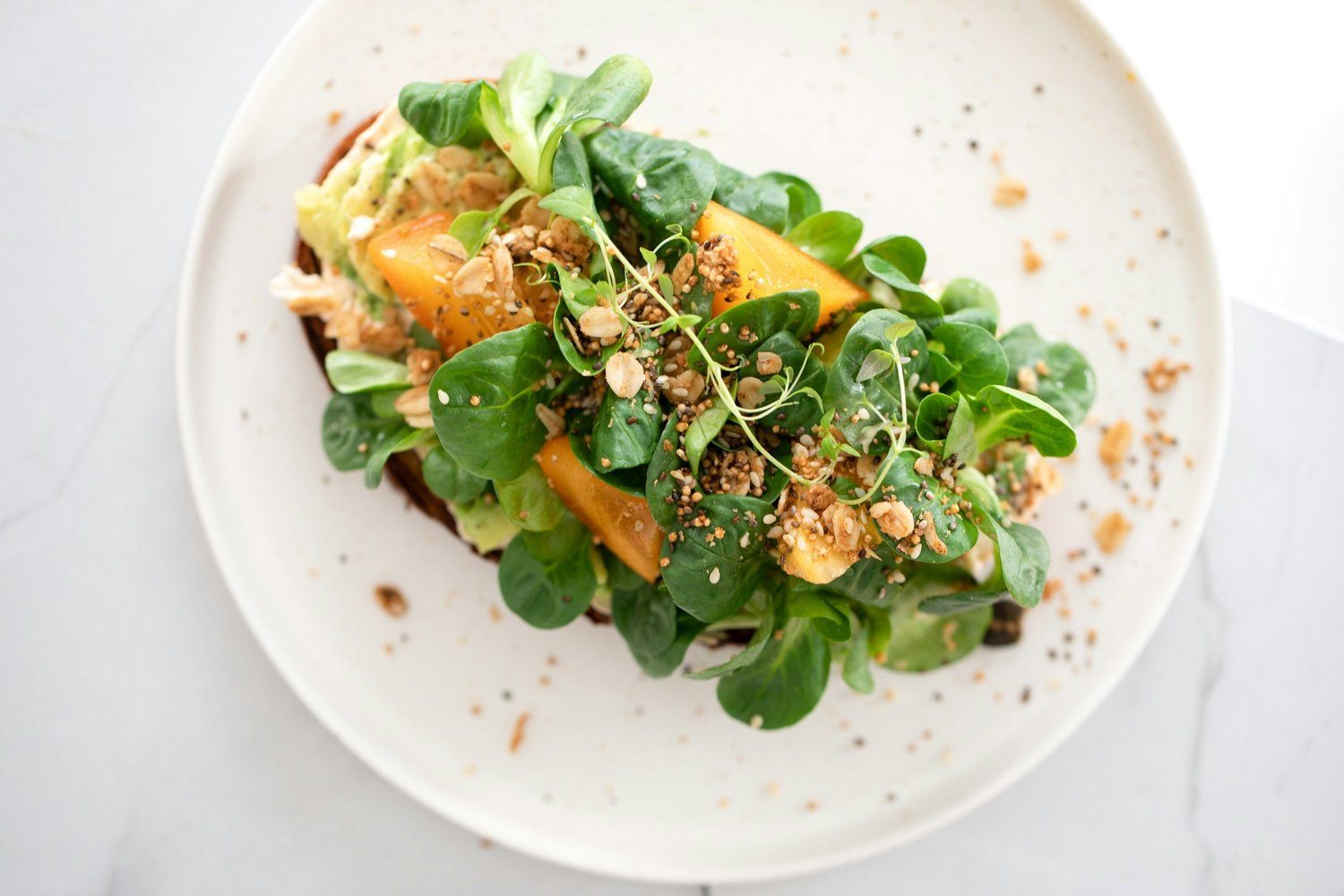
Campbell's case is that modern nutrition is trapped in reductionist thinking, isolating single nutrients and studying them alone. Food does not work that way. It is a synergistic system where everything interacts dynamically to create health. The engineer in me loves this, because I have spent a career watching systems fail when someone optimizes one component and ignores the whole. Fruits, vegetables, grains, and legumes come with their interactions already built in. Trust the system.
We played with the metaphor of food as a symphony, where the invisible parts, like the roots of a tree, matter as much as the visible ones. This is also why the hunt for the next superfood misses the point. Isolating one hero ingredient diminishes the broader impact of food as a whole. Variety and balance beat any single miracle on a shelf.
Keith took on convenience food culture, and the way ultra-processed options win on taste while quietly derailing long-term well-being, individually and collectively. The counter is not heroic. Replace one processed meal with a plant-rich, whole-food option this week. That is the entire assignment.
Listen to the full episode on Spotify.
I told a story from my own table about walking through food challenges with my kids. What I learned is that children need a safe, exploratory space to build their eating habits, without judgment and without pressure. Empathy and curiosity work. Lectures do not. Consistency over perfection, every time.
The thread we kept pulling is that wholism does not stop at the plate. Relationships, work, community, all of it behaves like a whole rather than a pile of parts. Open-mindedness, real listening, and slowing down are the same move as choosing whole food: refusing to reduce something living to its components.
So here is the practice for the week. One processed meal swapped for a whole one. One family meal with fewer distractions. One honest check-in on how a food makes you feel. Small, meaningful changes that align with your values. The bigger picture takes care of itself when the small picture is honest.