Exploring the Energy of Food: A Conversation on Whole Foods and Wellness
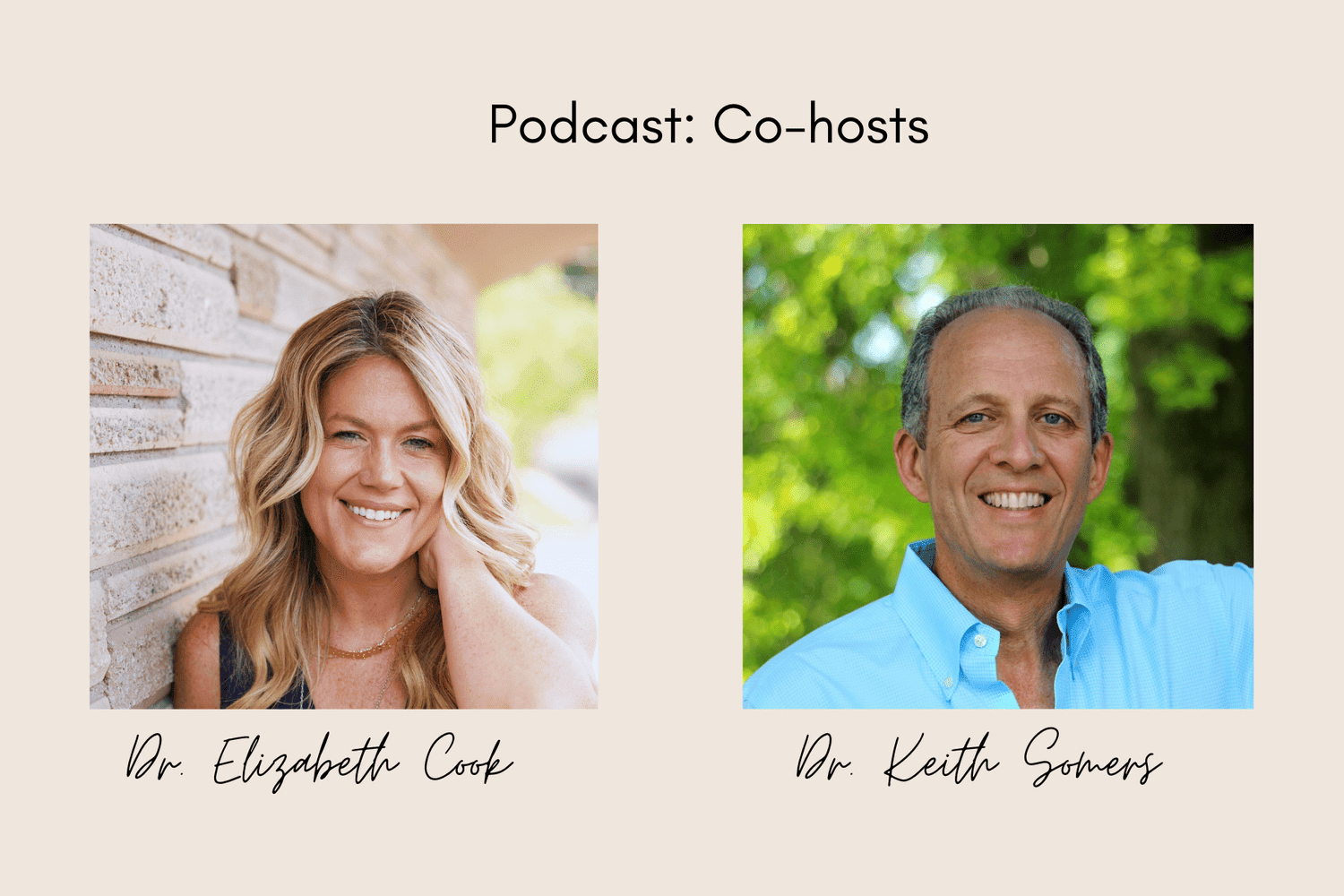
The difference between a processed snack and a whole food is not really on the nutrition label. It is in what happens after you swallow. In this episode, Dr. Keith Somers, a Pittsburgh pediatrician, and I followed the energy of food, from the plate through the gut and out into our families and communities.

Here is the mechanics of it. Processed foods arrive essentially pre-digested, so they deliver a quick spike and then leave you flat. Whole foods, still in their natural state, digest slowly and release steady energy along with the nutrients that came packaged with them. Fresh fruits and vegetables fuel you longer and leave you feeling more vibrant. The label does not capture that. Your afternoon does.
Then there is the gut itself. Trillions of microorganisms, the microbiome, are running digestion, immunity, and a surprising share of mental health. Processed food disrupts that ecosystem. Whole foods rich in fiber maintain it, and fermented foods feed it. If you take one supplement-free action for your health this year, feeding your gut well is a strong candidate.
My favorite stretch of the conversation went backwards in time. For most of human history, food was ritual, connection, and healing, and indigenous cultures understood its holistic value without a single nutrition label. We have more data than any generation before us and, arguably, less relationship with our food. Reframing a meal as an experience, something that ties you to your roots and your people, changes how you eat more than any chart.
Listen to the full episode on Spotify.
We were careful to keep this accessible. Not everyone has a farmers market nearby, and that is fine. Frozen and canned foods still deliver real nutrition if they are minimally processed without added sugars or salts. Beans, rice, and whole grains are affordable building blocks for genuinely good meals. Eating well is not a luxury good.
We also named the harder problem: abundance. Overconsumption of processed food leaves us full and unfulfilled at the same time, because it skips the grounding purpose of eating, which is nourishment. Mindful eating and smaller portions bring that purpose back. And one language change worth making at your table: retire "picky eater" and honor selective eating as part of how a person grows.
Your step this week is simple. Add one green vegetable to your meals, or lean on one nutrient-dense staple like beans. Eat the rainbow over time, and start with green. Small choices, repeated, are the whole game.